Heritage Assets
See Historic England’s video on Introduction to Heritage Assets and Local Listing.
A list of Heritage Assets in Tiverton and Mid-Devon, will be found on the MDDC website, as well as a more detailed description of the local list, including photographs and maps.
The introduction to the list outlines the nature of Heritage Assets and their significance in the planning process:
‘Heritage Assets are the structures or features of the historic environment which are “identified as having a degree of significance meriting consideration in planning decisions’ (National Planning Policy Framework, Annex 2).
‘Designated Heritage Assets’ are nationally protected areas or features such as a World Heritage Site, Scheduled Ancient Monument, Listed Building, Protected Wreck Site, Registered Park and Garden, Registered Battlefield or Conservation Area. ‘Local Heritage Assets’ are identified by the local planning authority as elements or features which are valued locally but which have not been designated at this national level
Mid Devon district contains around 2500 Listed Buildings and 49 Scheduled Ancient Monuments, none of which have been included on the local list as they are already designated at a national level. Most of the buildings within the 51 Conservation Areas within Mid Devon were also not included in the local list, as these buildings are already protected under the Planning (Listed Buildings and Conservation Areas) Act 1990. While the NPPF contains policy on the protection of undesignated heritage assets, local listing provides a more sound, consistent and accountable means for identification. Also, the identification of local assets through a published register allows Mid Devon Local Plan 3 Policy DM28 (development affecting heritage assets) to be applied more effectively. For a potential local heritage asset to be included on the list there is a need to ensure it has the required degree of significance for inclusion.’
Non-designated heritage assets are buildings, monuments, sites, places, areas or landscapes identified by plan-making bodies as having a degree of heritage significance meriting consideration in planning decisions but which do not meet the criteria for designated heritage assets. In Tiverton, these include the former police station. ‘Beechwood’ in The Avenue, Tiverton, seen below in March, 2022.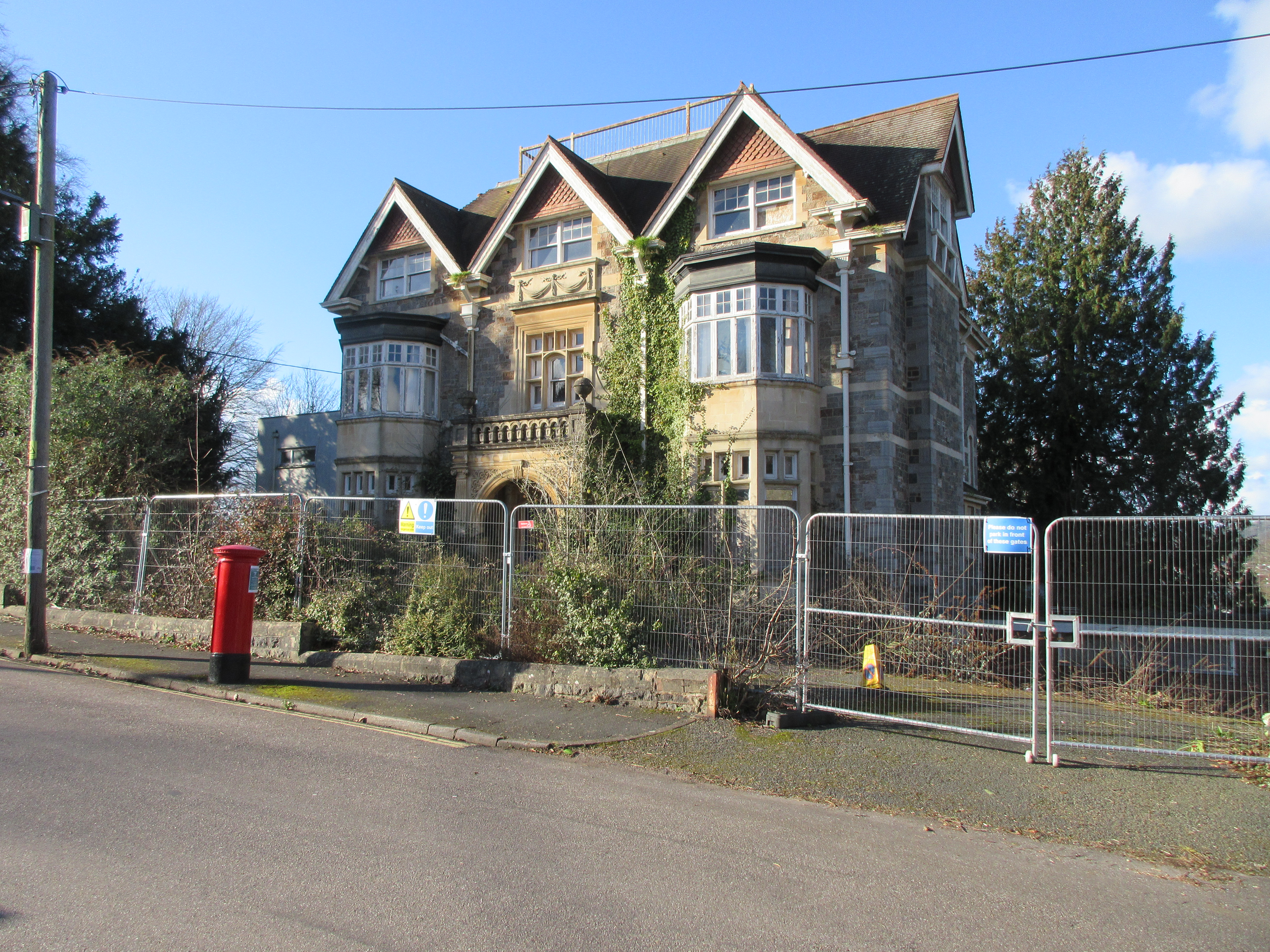
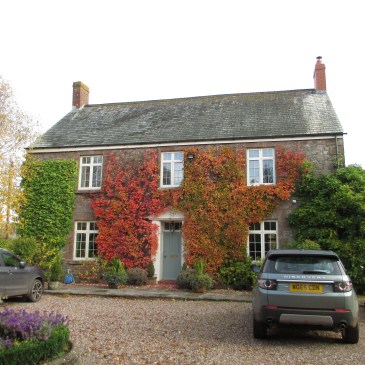
The top photograph shows Copplestone, West Manley Lane: a Registered Heritage Asset.
_________________________________________________________________________________________________________
Sites of Special Scientific Interest
A Site of Special Scientific Interest (SSSI) in the United Kingdom is ‘a conservation designation denoting a protected area extremely valuable for its flora, fauna, physiological and geological features.’

Tidcombe Lane Fen in Tiverton was designated as an SSSI in 1988 as a good example of a type of wetland fen habitat that that is now nationally scarce and rare in Devon. The 10.7 hectare site occupies the shallow valley of the Ailsa Brook, a tributary of the River Lowman. The soils are mainly waterlogged throughout the site, supporting fen meadow vegetation. In the wettest parts of the site there are significant stands of tussock sedge, sometimes standing over one metre in height. The combination of this, the lesser pond sedge dominated fields, and the wet woodland shows that this is an undisturbed and wild habitat with a complete reliance for its extent and quality on the continuous uncontaminated water supply and high water table. Over one hundred species of flowering plants have been recorded. Among the most characteristic are common sedge Carex nigra var.subcaespitosa, meadowsweet Filipendula ulmaria, wild angelica Angelica sylvestris, purple loosestrife Lythrum salicaria, fleabane Pulicaria dysenterica, water mint Mentha aquatica, marsh-marigold Caltha palustris, marsh valerian Valeriana dioica, ragged robin Lychnis flos-cuculi and southern marsh-orchid Dactylorhiza praetermissa. Less base-rich conditions are indicated in places by the presence of bog pimpernel Anagallis tenella and bogbean Menyanthes trifoliata.. The fauna species list for the SSSI includes Nationally Protected Species, including otters,and bats, and there is a colony of brown hairstreak butterflies, these being among Britain’s rarest and most elusive species. The undisturbed nature of the site means that a wide range of native breeding birds, deer and other wildlife flourish, including newts and other amphibians
 Smooth Newt
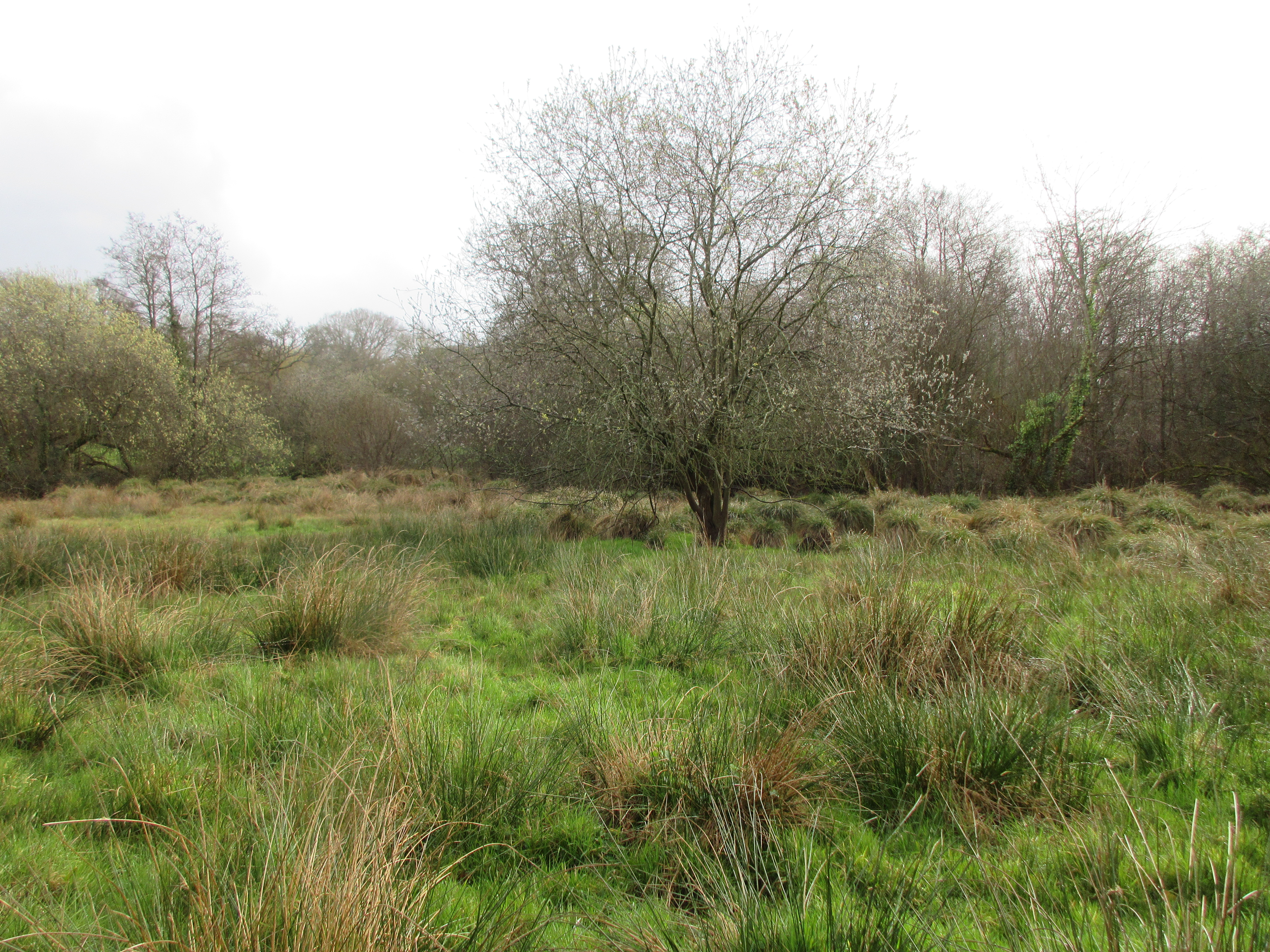 Tidcombe Lane Fen SSSI

Tussock Grass Sedge at Tidcombe Lane Fen.
Tussocks create their own microclimates and they are rich habitats for insects. Species found include the Marsh fritillary butterfly (Eurodryas aurina), Brown hairstreak (Thecla betulae) (on blackthorn) and the Narrow-bordered bee hawkmoth (Hermaris tityus)

Brown Hairstreak Butterfly

‘Our team have been working extremely hard in the background to establish a core committee, organise a bank account and put together an application to become a community interest organisation (CIO). We have also secured a grazier for the site with suitable cattle (Galloways) to ensure that this element is managed effectively during the given parameters of the grazing season as stipulated by Natural England.
There have been various visits from professionals to gain valuable insights into offering the best possible support for the flora and fauna within this unique site. This has included visits from Devon Wildlife Trust (DWT), botanists and ecologists.
Some of the most recent highlights have been sightings of stunning orchids amongst the wildflower meadows, glow worms at night during a bat survey, and barn owls that occasionally hunt over the site’.
Update, December 2024
Dear Friends of Tidcombe Fen,
The Fen looked particularly beautiful in the recent wintery weather, see photos below:
 Tiverton Civic Society